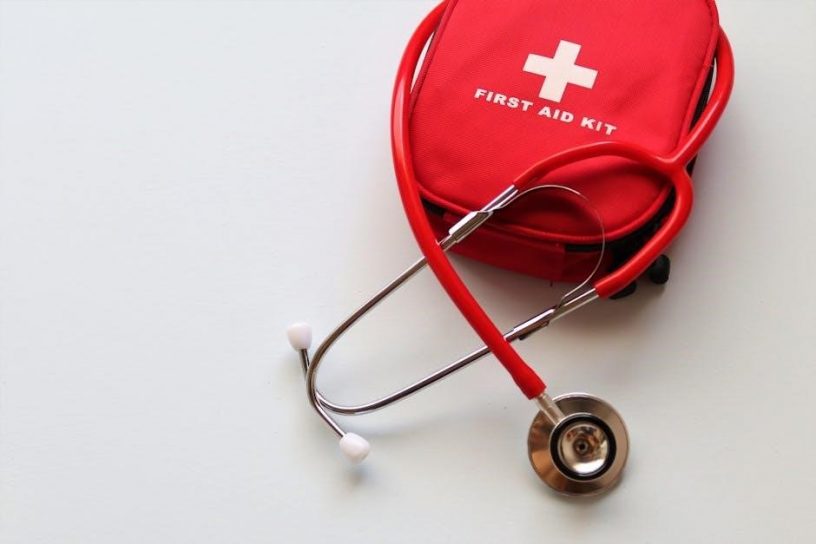



Cadette First Aid Badge Requirements: A Comprehensive Plan
This comprehensive plan details earning the Cadette First Aid badge, focusing on emergency care, first aid kit usage, and responding to health crises․
Girl Scouts of Greater Chicago and Northwest Indiana offers an eight-page pamphlet outlining the necessary steps for badge completion․
Utilizing the Volunteer Toolkit (VTK) and updated 2024-2025 badge designs are crucial for understanding current GSUSA requirements․
Understanding the Badge’s Purpose
The Cadette First Aid badge empowers Girl Scouts to confidently handle emergencies, providing essential skills for caring for others, including younger children․ Earning this badge signifies a commitment to preparedness and responsible citizenship․
Scouts will learn to utilize first aid kits effectively and respond appropriately to situations like choking, seizures, and weather-related injuries․ This knowledge fosters a sense of self-reliance and community support․
Historical Context of the First Aid Badge
Historically, first aid training evolved within Girl Scouts, with earlier programs focusing on vocational aide pins for Senior Scouts․ The 1950 handbook for Intermediate Scouts (now Juniors/Cadettes) included fifteen activities, ten required, to earn a first aid badge․
This demonstrates a long-standing commitment to safety and preparedness․ Recent updates in 2024-2025 reflect ongoing changes in emergency response best practices and badge design․
Evolution Through Girl Scout Levels
Early Girl Scout programs differentiated first aid training by level․ Senior Scouts pursued aide pins related to career interests, lacking a dedicated first aid badge․ Intermediate Scouts (Juniors/Cadettes) in 1950 had specific badge requirements, including ten activities․
This progression highlights age-appropriate skill development, building from basic awareness to more complex emergency response techniques as Scouts advance through the program levels․
Changes in Badge Requirements Over Time
GSUSA recently updated the First Aid badges for all levels in 2024-2025, introducing new designs—excluding Daisies․ Badge pamphlets and VTK activity plans are now essential resources for understanding current requirements․
These updates reflect evolving best practices in emergency care and ensure Girl Scouts are equipped with the most relevant and effective first aid knowledge and skills․
Core Emergency Response Principles
Earning this badge emphasizes two crucial elements: prevention and response․ Cadettes learn to proactively minimize risks and effectively manage emergencies when they occur․
Understanding how to assess a situation is paramount, alongside knowing how to utilize a first aid kit and respond to various health crises like choking or seizures․
Prevention as a Primary Goal
A core tenet of the Cadette First Aid badge is prioritizing prevention․ This involves recognizing potential hazards and taking proactive steps to minimize risks before emergencies arise․
Learning to prevent serious outdoor injuries and weather-related illnesses, such as heatstroke or hypothermia, is essential․ Proactive safety measures are key to a successful outcome․
Assessing the Situation
Before administering first aid, a thorough situation assessment is vital․ This includes identifying the nature of the emergency, potential dangers to yourself and others, and the number of people affected․
Understanding the surrounding environment and quickly evaluating the victim’s condition are crucial first steps․ Accurate assessment informs appropriate response and care․
First Aid Kit Essentials
A well-stocked first aid kit is fundamental for responding to emergencies․ Cadettes must learn to identify common contents like bandages, antiseptic wipes, gauze pads, and adhesive tape․
Understanding the proper usage of each supply – from applying bandages to cleaning wounds – is critical․ Knowledge of kit contents empowers effective and immediate care in various situations․
Identifying Common Kit Contents
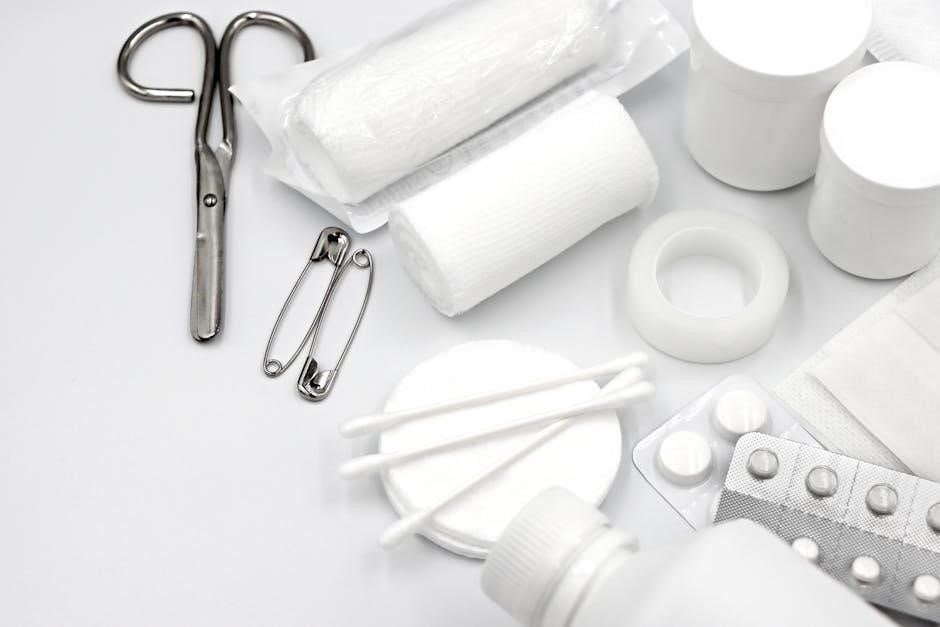
Essential components of a first aid kit include adhesive bandages in various sizes, sterile gauze pads for wound dressing, and antiseptic wipes for cleaning injuries․
Cadettes should recognize items like adhesive tape, triangular bandages for slings, and scissors for cutting dressings․ Knowing these contents prepares them for effective emergency response․
Proper Usage of First Aid Supplies
Cadettes must learn to correctly apply bandages, ensuring wounds are clean and covered to prevent infection․ Proper technique involves securing dressings firmly, but not too tightly, to avoid circulation issues․
Understanding antiseptic wipe application and triangular bandage sling creation is vital․ This knowledge empowers them to confidently and effectively utilize kit contents in emergencies․
Recognizing and Treating Shock
Cadettes will learn to identify shock symptoms: pale skin, rapid breathing, and weakness․ Immediate action involves calling for help and keeping the person warm and lying down․
Elevating the legs (unless contraindicated) helps improve circulation․ Reassuring the individual and monitoring their condition until help arrives are crucial first aid steps․
Signs and Symptoms of Shock
Cadettes must recognize key indicators of shock, including pale or clammy skin, rapid and shallow breathing, a weak and rapid pulse, and dilated pupils․
Other symptoms encompass nausea, vomiting, dizziness, and a feeling of weakness or confusion․ Recognizing these signs promptly is vital for effective first aid response․
First Aid Procedures for Shock
Immediate action for shock involves calling for help and ensuring the person is lying down, with their feet elevated approximately twelve inches․
Maintain body temperature with blankets or clothing, and reassure the individual while monitoring their breathing and pulse until professional help arrives․
Weather-Related Injury Prevention & Treatment
Cadettes learn to prevent and treat heat exhaustion, heatstroke, hypothermia, and frostbite, understanding the importance of hydration, appropriate clothing, and seeking shelter․
Recognizing early symptoms is key; treatment includes cooling or warming the person, providing fluids, and seeking medical attention when necessary for severe cases․
Heat Exhaustion and Heatstroke
Cadettes will differentiate between heat exhaustion and the more severe heatstroke, learning to identify symptoms like heavy sweating, weakness, dizziness, and confusion․
First aid involves moving the person to a cool place, providing fluids, applying cool cloths, and seeking immediate medical help if symptoms worsen or indicate heatstroke․
Hypothermia and Frostbite
Cadettes must understand the dangers of hypothermia and frostbite, recognizing symptoms like shivering, confusion, pale skin, and numbness in extremities․
First aid for hypothermia includes warming the person gradually with blankets and warm (not hot) drinks, while frostbite requires gentle warming and medical attention․
Responding to Choking Emergencies
Cadettes will learn to identify choking signs, including inability to speak, cough, or breathe, and bluish skin color․
Mastering the Heimlich maneuver technique is essential, requiring proper hand placement and abdominal thrusts to dislodge the obstruction․
Knowing when to call for emergency medical help is a critical component of responding to choking situations effectively․
Recognizing the Signs of Choking
Cadettes must be able to quickly identify choking indicators, such as the victim’s inability to talk, cough forcefully, or breathe effectively․
Look for signs like clutching the throat, a panicked expression, and potential discoloration of the skin – a bluish tint․
Prompt recognition is vital for initiating immediate assistance and potentially saving a life․
Heimlich Maneuver Technique
Cadettes will learn the Heimlich Maneuver, a crucial skill for dislodging obstructions in a choking victim’s airway․
Proper technique involves standing behind the person, making a fist, and thrusting inward and upward below the ribcage․
Repeated thrusts are performed until the object is expelled or help arrives; practice is essential for confidence․
Understanding and Responding to Seizures
Cadettes will explore different seizure types, recognizing varying presentations from convulsions to brief staring spells․
First aid focuses on protecting the person from injury by clearing the area and cushioning their head․
Do not restrain or put anything in their mouth; time the seizure and seek medical attention if prolonged or repeated․
Types of Seizures

Cadettes learn seizures aren’t one-size-fits-all, varying significantly in presentation and impact․
Generalized seizures involve the whole brain, potentially causing convulsions and loss of consciousness․
Focal seizures originate in one brain area, manifesting as jerking movements, altered awareness, or staring spells․
Understanding these differences is key to appropriate first aid response․
First Aid During a Seizure
During a seizure, prioritize safety: clear the area of hazards to prevent injury․
Do not restrain the person or put anything in their mouth; this can cause harm․
Time the seizure and observe the person’s movements carefully for details to report․
After the seizure, gently turn them onto their side to aid breathing and offer reassurance․
Caring for Younger Children in Emergencies
When assisting younger children, remain calm and use simple, reassuring language to explain what’s happening․
Age-specific considerations are vital; toddlers need different explanations than older children․
Provide comfort and security, acknowledging their fears and offering a sense of control․
Involve them in simple tasks if appropriate, like fetching a bandage, to empower them․
Age-Specific Considerations

Toddlers require concise explanations and physical comfort, focusing on immediate needs with gentle reassurance․
Preschoolers may ask many questions; answer honestly but simply, avoiding frightening details․
School-aged children can understand more complex information, but still need emotional support․
Adapt communication to their level, ensuring they feel safe and understood during the emergency․
Communicating with Children During Emergencies
Maintain a calm and reassuring tone, even if you feel anxious, as children mirror your emotions․
Use simple, age-appropriate language avoiding medical jargon they won’t understand․
Explain what is happening and what you are doing to help, providing a sense of control․
Encourage them to express their feelings and offer comfort and support throughout the situation․
Preventing Serious Outdoor Injuries
Recognize common outdoor hazards like uneven terrain, wildlife, and changing weather conditions․
Implement safety precautions such as wearing appropriate footwear, using sunscreen, and staying hydrated․
Always be aware of your surroundings and plan activities considering potential risks․
Buddy up and inform someone of your plans, location, and expected return time for added safety․
Common Outdoor Hazards
Uneven terrain presents tripping and sprain risks, while wildlife encounters can lead to bites or allergic reactions․
Changing weather introduces heat exhaustion, hypothermia, and sunburn dangers․
Poisonous plants like ivy and oak cause skin irritation, and insect bites transmit diseases․
Dehydration and exhaustion impair judgment and increase accident susceptibility during outdoor activities․
Safety Precautions for Outdoor Activities
Always hike with a buddy and inform someone of your plans, carrying a fully stocked first aid kit is essential․
Wear appropriate clothing and footwear, protecting against sun, insects, and weather changes․
Stay hydrated and pace yourself, recognizing signs of fatigue or overheating․
Learn to identify poisonous plants and avoid wildlife encounters, practicing Leave No Trace principles․
Utilizing the Volunteer Toolkit (VTK)

The Volunteer Toolkit (VTK) is a vital resource for accessing official badge requirements and detailed activity plans․
It provides step-by-step guidance for leaders to facilitate badge work, ensuring all requirements are met effectively․
VTK offers printable resources and meeting suggestions, streamlining the process of earning the First Aid badge․
Referencing the VTK alongside the badge pamphlet ensures accurate and up-to-date information is utilized․
Accessing Badge Requirements
To find the official requirements, leaders should consult either the dedicated First Aid badge pamphlets or the comprehensive Volunteer Toolkit (VTK) activity plans․
GSUSA recently updated these badges, including new designs for all levels, excluding Daisies, so current materials are essential․
The VTK provides a centralized location for accessing the most accurate and up-to-date information regarding badge completion․
VTK Activity Plans
The Volunteer Toolkit (VTK) offers pre-designed activity plans specifically tailored to the Cadette First Aid badge requirements, streamlining the leader’s preparation process․
These plans provide step-by-step guidance, ensuring all requirements are met and offering flexibility for troop customization․
Leaders can access these resources online through the VTK platform, simplifying badge work and enhancing the Girl Scout experience․
Badge Pamphlet Resources
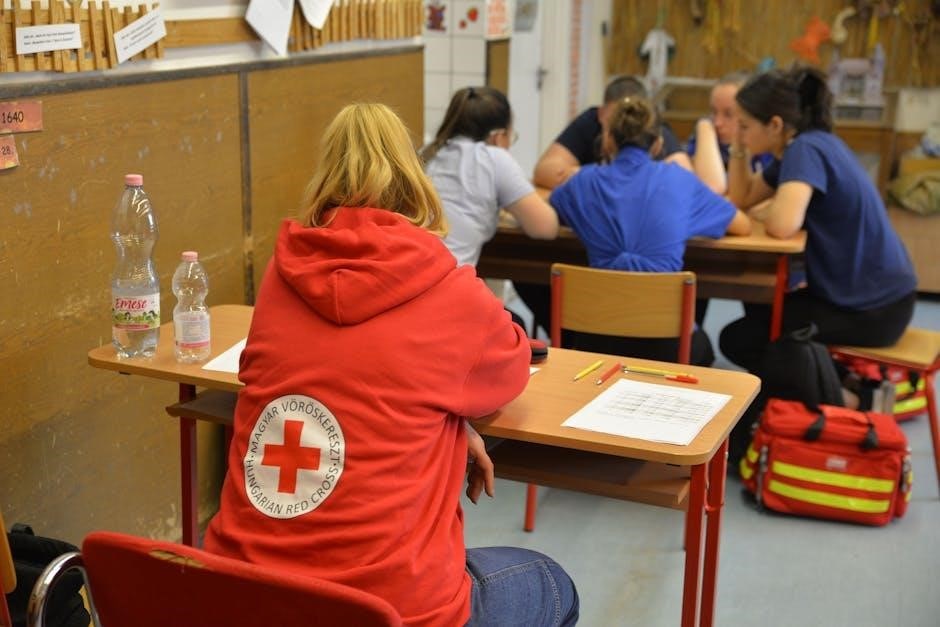
The eight-page First Aid pamphlet is a vital resource for Cadette Girl Scouts pursuing this badge, offering detailed, step-by-step instructions․
It clearly outlines the skills and knowledge needed to respond effectively to various emergencies, including choking and seizures․
Girl Scouts of Greater Chicago and Northwest Indiana specifically highlight this pamphlet as essential for successful badge completion․
Overview of the Eight-Page Pamphlet
This pamphlet serves as a complete guide for Cadettes, detailing everything needed to earn the First Aid badge․
It breaks down complex emergency scenarios into manageable steps, covering topics like first aid kit utilization and responding to health crises․
Girl Scouts of Greater Chicago and Northwest Indiana emphasize its role in providing clear, concise instructions for badge attainment․
Step-by-Step Guidance for Earning the Badge
The pamphlet offers sequential instructions, beginning with understanding emergency preparedness and progressing to practical skill application․
Cadettes will learn to prevent injuries, assess situations, and provide appropriate first aid, including responses to choking and seizures․
GSUSA resources, like the Volunteer Toolkit, complement the pamphlet, offering activity plans for each step of the badge process․
Updated Badge Designs (2024-2025)
GSUSA recently refreshed the First Aid badges for all levels, introducing new designs to reflect current best practices in emergency care․
Notably, the Daisy level remains unchanged, lacking a dedicated First Aid badge, while Cadette badges feature updated aesthetics․
Referencing the latest badge pamphlets or the Volunteer Toolkit (VTK) is essential to confirm design differences and requirements․
New Designs for All Levels
The 2024-2025 badge updates include redesigned imagery for each Girl Scout level’s First Aid badge, enhancing visual appeal and recognition․
These new designs aim to inspire Cadettes and other scouts, reflecting the importance of preparedness and life-saving skills․
GSUSA’s commitment to modernizing badges ensures continued relevance and engagement for Girl Scouts nationwide․
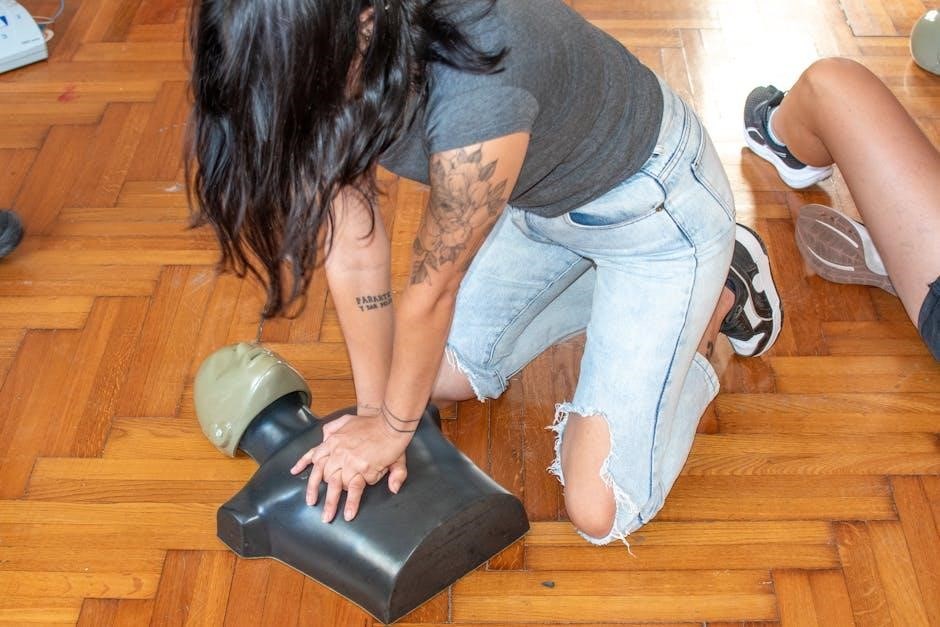
Differences from Previous Badge Versions
The updated First Aid badges feature refreshed artwork and potentially revised activity focuses, aligning with current best practices in emergency response․
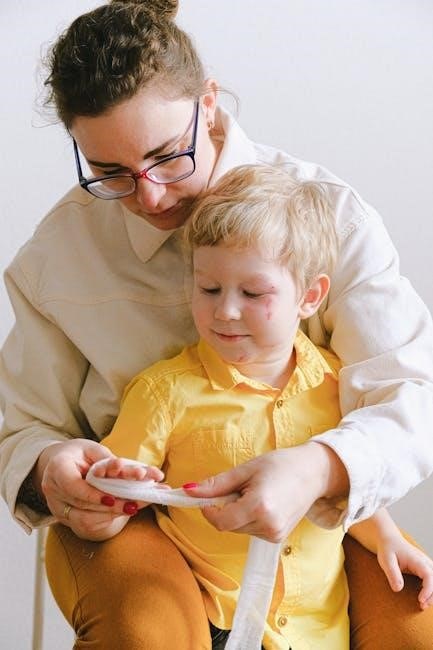
While core skills remain consistent, the new versions may emphasize updated techniques or expanded scenarios for practical application․
Daisies remain the sole level without a First Aid badge, while others benefit from these modern enhancements․
Resources from Girl Scouts of Greater Chicago and Northwest Indiana
Girl Scouts of Greater Chicago and Northwest Indiana provides a dedicated eight-page pamphlet specifically designed to guide Cadette Girl Scouts through the First Aid badge requirements․
This resource details the steps needed for completion, alongside updated information and specific requirements relevant to their council․
Additional volunteer resources are also available to support troop leaders in facilitating badge activities effectively․
Specific Requirements and Updates
Girl Scouts of Greater Chicago and Northwest Indiana offers updated information regarding the Cadette First Aid badge, ensuring alignment with current GSUSA guidelines․
These updates clarify specific requirements for responding to choking, seizures, and other health emergencies, as outlined in the provided pamphlet․
Volunteers should consult these resources for the most accurate and current badge-earning criteria․
Additional Volunteer Resources
Girl Scouts of Greater Chicago and Northwest Indiana provides supplementary resources to aid volunteers in facilitating the Cadette First Aid badge program․
These resources include two-page volunteer guides complementing the eight-page pamphlet, offering detailed activity plans and support materials․
Accessing the Volunteer Toolkit (VTK) is also recommended for updated requirements and activity suggestions․
Reviewing Current GSUSA Requirements
Staying current with Girl Scouts of the USA (GSUSA) requirements is essential for accurate badge completion guidance․
Official documentation outlines the specific criteria Cadettes must meet to earn the First Aid badge, including updated guidelines for 2024-2025․
Referencing the badge pamphlets or VTK activity plans ensures alignment with the latest GSUSA standards․
Official Badge Requirements Documentation
GSUSA provides detailed documentation outlining the Cadette First Aid badge requirements, accessible through official channels․
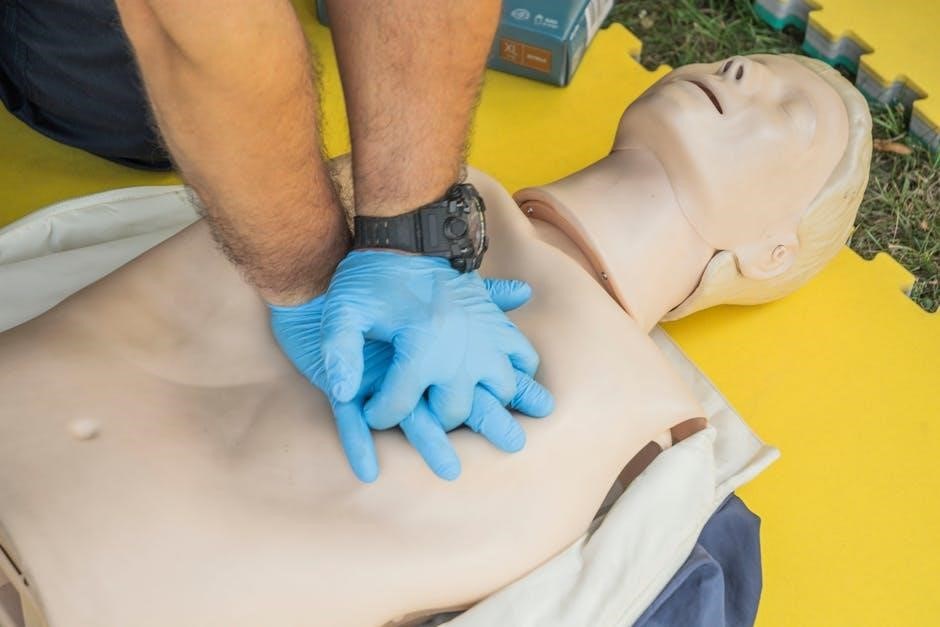
These documents specify the skills and knowledge Cadettes must demonstrate, covering emergency response, first aid techniques, and preventative measures․
Consulting these resources ensures accurate badge work and adherence to current Girl Scout standards for a successful completion․
Staying Updated on Changes
Girl Scout badge requirements are subject to periodic updates, necessitating continuous monitoring for revisions․
Regularly check the GSUSA website and Volunteer Toolkit (VTK) for the most current documentation regarding the Cadette First Aid badge․
Staying informed ensures leaders and girls are working towards the latest standards and achieving accurate badge completion․
Leave a Reply
You must be logged in to post a comment.